
Jan 24, 2026
Many Gathering participants expressed feeling hopeless and helpless to do anything about the actions of ICE (Immigration and Customs enforcement) in Minnesota and other locations in the United states. Some participants pointed out that we each have power over how we use language when talking about the ICE agents. We can talk about them as human beings, and bring an attitude of compassion instead of blame.
We asked: How do we deliver the medicine of love? How do we find compassionate ways to talk about Trump and ICE? Some of us worried these ideas might be naive.
After the Gathering, a list of articles was compiled to demonstrate positive attitudes in action.
We’re taking notes, Minneapolis!
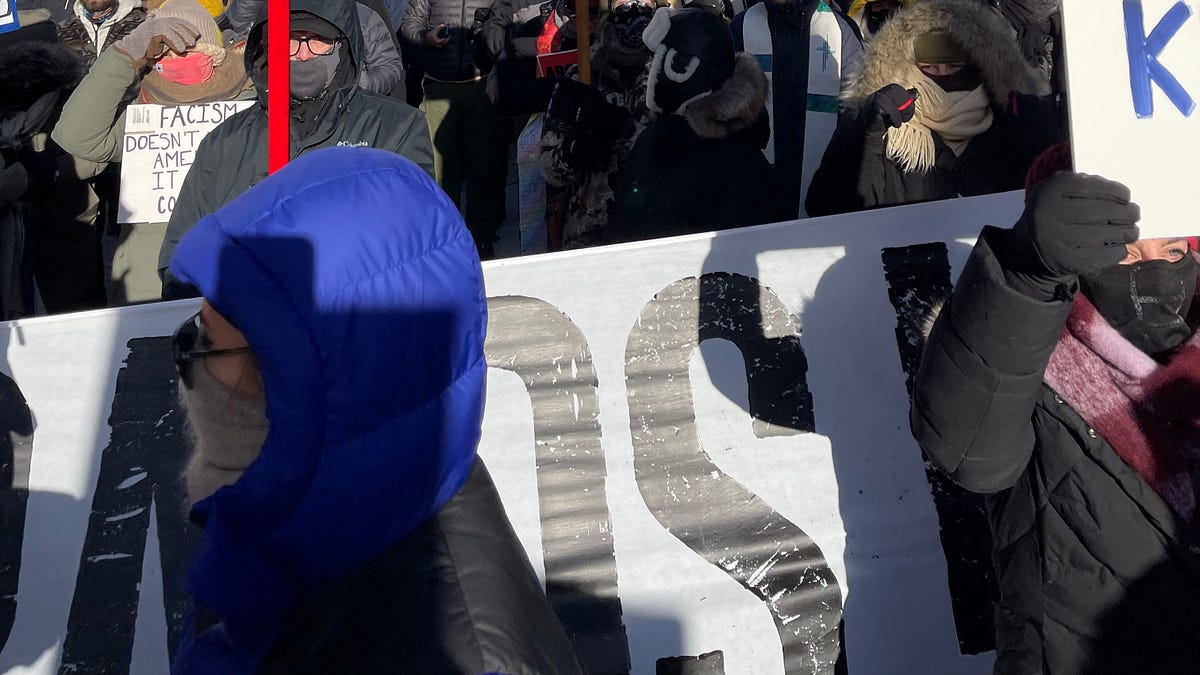
This is what it looks like when people move with love in the face of terror. Notice what Grace observed: plain language ("I love my neighbors"), decentralized leadership ("like mushrooms, roots under the soil"), and song as a way to "stay in the heart place from which we want to be moving."
Minneapolis is showing us they're not. 50,000 people marched. Neighbors are walking each other's children to school. Resistance singers are caroling to families who are afraid to leave their homes. And when asked why they're there, people say things like: "This is not who we are." "They picked the wrong city."
One line from Grace's song training: "We cannot let this terror campaign make us into what they are. We cannot become filled with hate. We have to do as much good as they are doing evil."
How Radical Love Could Depolarize America
At the Gathering on Saturday we talked about "love up Trump" and "love up the ICE agents"? And we shared concerns that "some would consider these naive".
It turns out there's a whole political playbook built on exactly this. In Turkey, opposition candidate Ekrem İmamoğlu used "Radical Love" to defeat Erdoğan's party in Istanbul — after the regime annulled his first victory. Instead of rage, he said: "In our squares there is love. They will want conflict from us... But we will unrelentingly embrace each other." He literally went and hugged people who disagreed with him. He won by 54%.(Note: İmamoğlu won the race for mayor of Istanbul. Just like Mandani won the race for mayor of NYC. And Erdoğan is still the head of Turkey… just as Trump is still the head of the U.S.)
The key insight: authoritarian populists benefit when we vilify them and their supporters. It keeps people from defecting. But radical love changes the game — not by lowering the temperature for its own sake, but by removing fuel from the fire and making it possible for people to come over.
From the Turkish "Book of Radical Love": "The main difference between radical and normal love is that the former denotes giving your love not only to those who already love you, but also to those who do not."
This isn't naive… it’s strategy! And as we saw in the first article above, Minneapolis is living it right
now.
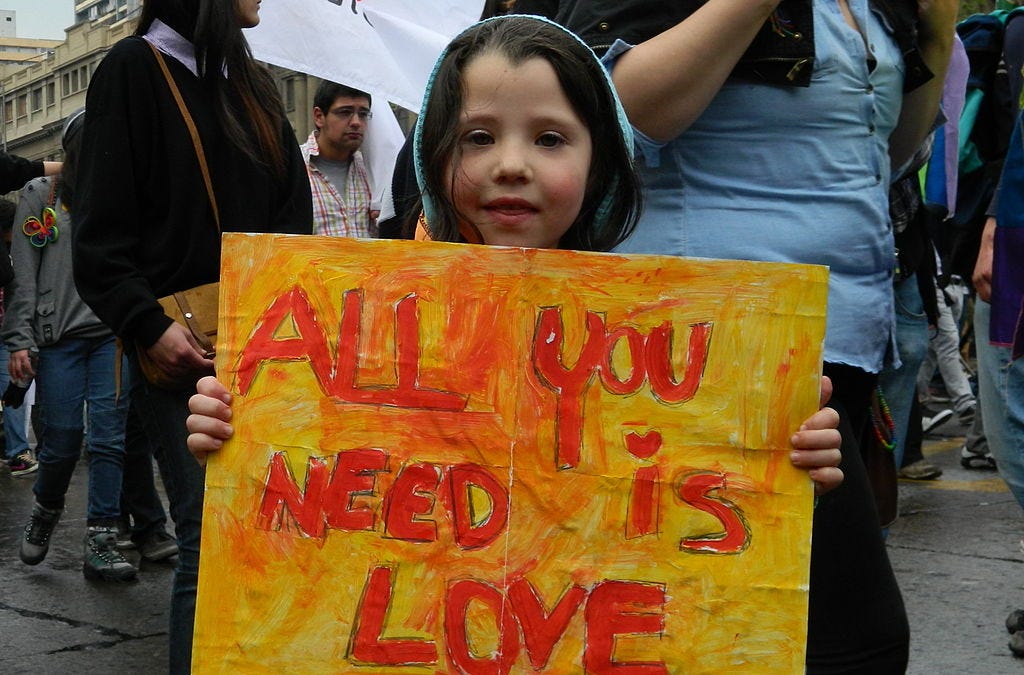
From Micah Sifry’s substack, "The Connector", on Radical Love as political strategy. From September 2025.
Before we persuade, we have to listen.
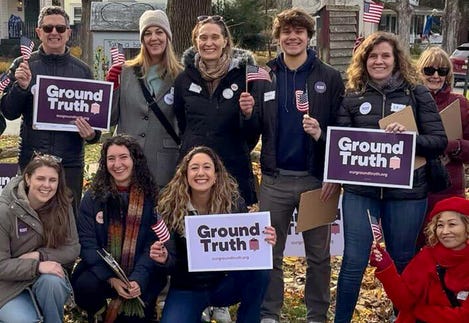
Another valuable article from Micah Sifry’s "The Connector". This one is specifically on listening – not listening to ICE agents, but listening to regular people, who may have different views than ours:
Swing Left's "Ground Truth" program is discovering what those of us who practice the listening arts already know: people are hungry to be heard. Two-thirds of people who answered their doors held meaningful 10-15 minute conversations with volunteers. Nearly half — Republicans, Democrats, and Independents alike — expressed a feeling that "no one is looking out for people like me."
This isn't about policy positions. It's about being seen, and the deep human need to matter.
We can see strong parallels with our facilitation work: we knock every door (not just the "likely" ones). We ask open-ended questions. We listen to what people actually say, not what we assume they'll say. We record the flavor of how they talk about things, not just checkbox answers. And — crucially — volunteers have permission to do what's "intuitive and human" rather than following rigid scripts.
One volunteer's experience: A woman said, "You don't want to talk to me, I'm a Republican." Ten minutes of genuine conversation later: "I sometimes vote for Democrats."
This is how listening can open doors, literally.
4) America Isn’t Divided on ICE – It’s Divided on REALITY.
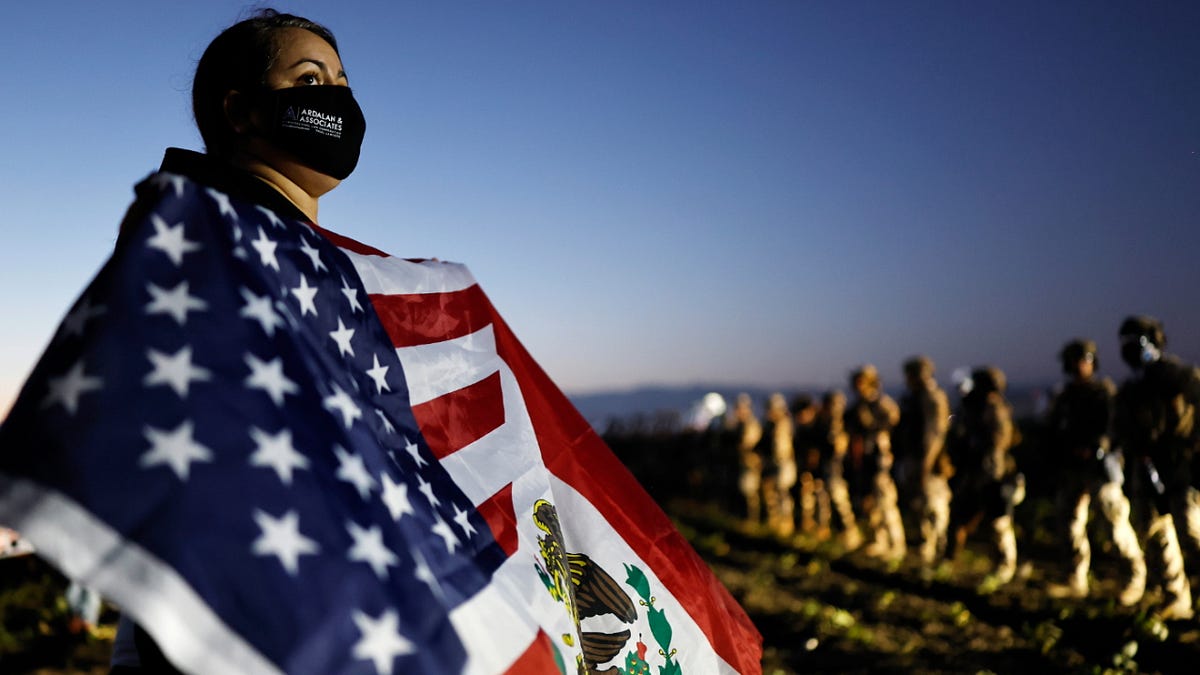
Van Jones spent a week doing what most people avoid: actually listening to all sides, on a highly divisive issue. Trump supporters. Abolish-ICE activists. ICE agents. Undocumented families. Protesters getting tear-gassed. His conclusion: "We are not even watching the same movie."
His challenge is worth sitting with: "Can you name the other side's deepest fear in one sentence, in a way they would recognize as true?"
This is the listening arts in action — the willingness to enter someone else's reality long enough to understand what they're protecting, what they're afraid of losing.
And yet. One commenter (Paul Loeb) offers an important caution: "You have to be really careful not to give legitimacy to lies, because we're living in a time when the administration lies daily, recklessly, and intentionally. And well-meaning people believe those lies."
This is the razor's edge we walked on Saturday. We talked about "love up Trump" and "love up the ICE agents." We also named concerns: "Some would consider these naive." We acknowledged that it’s “easy to dehumanize ICE agents in their gear" — and at the same time, while it was not stated explicitly, we sensed an underlying concern, about how people can be manipulated by those acting in bad faith.
Deep listening doesn't mean abandoning ourselves, our own experience, or our own sense of truth. It means understanding why people believe what they believe — which is the first step toward inviting them into a different story. Minneapolis is showing us that radical love and clear-eyed resistance can coexist.
The question isn't whether to listen. It's how to act on our own truth, in a way that allows us to treat others with respect, even those who think and feel differently than we do. And to be willing to understand their fears and concerns.
You’ve got to spread your light like blazes
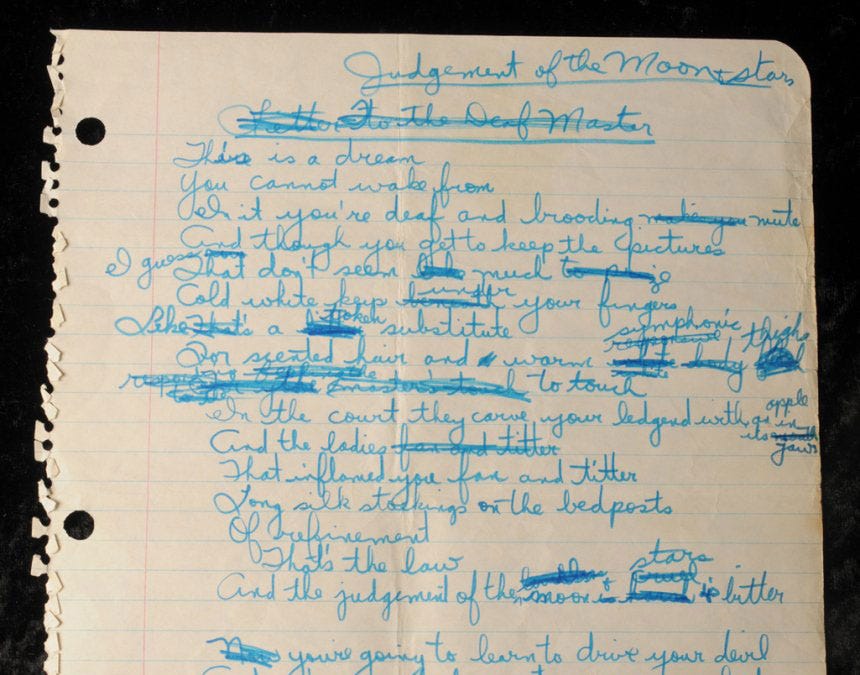
From Renée Lertzman's "Becoming Guides," January 27, 2026:
Renée Lertzman draws on Joni Mitchell's 1972 lyrics to name what's being asked of us now: the capacity to be with the incoherence, without reaching instantly for the comfort of demonizing the other side. To witness harm and hold steady. To breathe with the messiness — the horrors and the beauty and the courage and the exhaustion — because fighting reality burns up the fuel we need for skillful action.
This connects to our Day 2 conversations about finding hope in hard times. The list we created — nature time, physical activity, community meals, mindset work — these are practices of presence. Ways of staying nourished so we can take action without depleting ourselves.
Lertzman’s "Three A's" for navigating the mess: Attune (notice what's arising), Acknowledge (name it without judgment), Activate (move from presence into action).
And her call to become Guides: "Guides invite, evoke and hold space. They know the destination and have provisions, but they also don't push. They don't tell, yell and sell."
Sound familiar? That's facilitation. That's holding the container so that we can all find our way.
“Wake up my people. Wake up my beings. Wake up. Pray, act and listen.”
thank you to Claude Opus 4.5 for initial summaries of articles, and editing support.